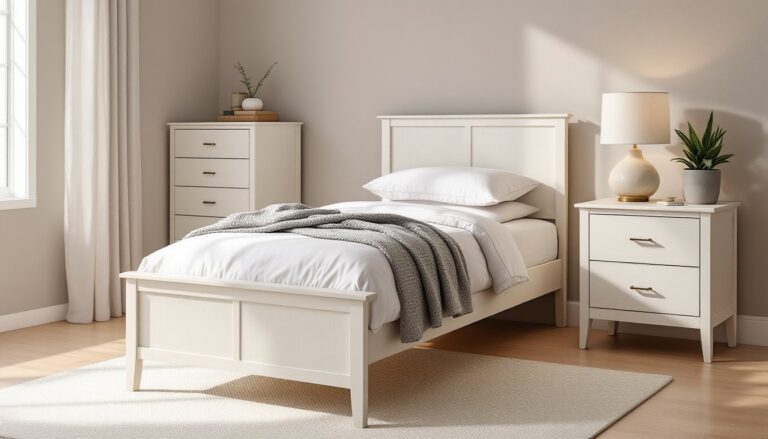
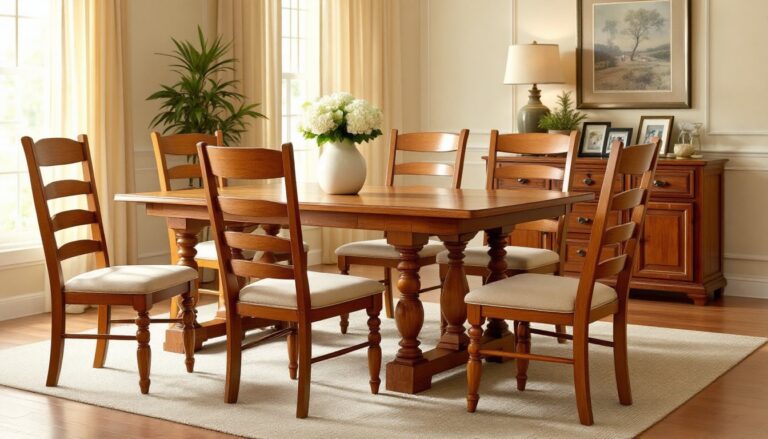
Choosing bedroom furniture isn’t just about picking something that looks good in a catalog. Wood furniture represents a real investment, one that can outlast trends, handle daily use, and even gain character over time. Whether someone’s furnishing a master suite or outfitting a guest room, the species of wood, construction quality, and finish all matter more than most shoppers realize. This guide cuts through the marketing language to help homeowners make informed decisions about wood bedroom furniture, from grain patterns to maintenance schedules.
Table of Contents
ToggleKey Takeaways
- Solid wood bedroom furniture offers superior dimensional stability and longevity, typically lasting 20-40 years with basic care while retaining resale value better than composite alternatives.
- Hardwoods like oak, maple, and walnut each bring distinct benefits—oak provides dent resistance, maple offers contemporary clean finishes, and walnut delivers premium heirloom-quality aesthetics.
- Wood bedroom furniture selection should prioritize construction quality, including solid wood edge banding, proper joinery, and adequate drawer clearance (36-40 inches) that matches your space and style.
- Maintaining wood bedroom furniture requires weekly dusting with microfiber cloths, controlling humidity between 30-50% relative humidity, and promptly addressing water rings and minor scratches to preserve long-term value.
- Proper moving and storage techniques—lifting from the frame rather than dragging—prevent damage to glue joints and structural integrity that compromise wood bedroom furniture durability.
Why Wood Remains the Top Choice for Bedroom Furniture
Walk into any furniture showroom and the solid wood pieces command a different presence than particleboard or metal alternatives. That’s not just aesthetic preference, it’s structural reality.
Wood bedroom furniture offers dimensional stability that engineered alternatives struggle to match. A properly constructed hardwood bed frame or dresser distributes weight across joinery (mortise-and-tenon, dovetail, or dowel connections) rather than relying solely on fasteners. This means the piece can be disassembled, moved, and reassembled without compromising integrity. Try that with a cam-lock particle board dresser after two moves.
Longevity is the second major factor. Hardwood furniture routinely lasts 20-40 years with basic care, and antique pieces prove the upper limit extends well beyond that. The wood itself responds to humidity changes by expanding and contracting slightly, a natural process that quality construction accommodates through floating panels and proper grain orientation. Cheaper materials either swell permanently or delaminate when exposed to bedroom humidity fluctuations.
Finally, wood bedroom furniture retains resale value. A solid walnut dresser will always find a buyer, even if it needs refinishing. The same cannot be said for most contemporary composite pieces, which typically end up curbside after a decade.
Popular Wood Types for Bedroom Furniture and Their Characteristics
Not all wood species perform equally in bedroom applications. Understanding the practical differences helps match material to use case.
Hardwoods: Oak, Maple, and Walnut
Oak (both red and white varieties) dominates mid-range furniture for good reason. It machines well, accepts stain evenly, and has a Janka hardness rating around 1,290 lbf (red oak) to 1,360 lbf (white oak). That hardness translates to dent resistance, important for dressers and nightstands that see daily drawer operation and items set on top. The open grain pattern gives oak its distinctive look but requires grain filler if someone wants a glass-smooth finish. White oak contains tyloses (cellular structures that block moisture penetration), making it slightly more resistant to water rings than red oak.
Maple rates even harder at 1,450 lbf and offers a tighter, more uniform grain. It’s the go-to for contemporary or minimalist designs because it takes a clean finish without pronounced grain patterns competing for attention. Maple does have a reputation for blotchy stain absorption due to varying wood density, so many builders either use gel stain or leave it natural with a clear finish. For bedroom furniture that’ll face impacts, bed rails, drawer fronts, maple’s hardness provides an extra margin of durability.
Walnut sits at the premium end, both in price and appearance. Its rich brown color (ranging from light tan sapwood to deep chocolate heartwood) means many pieces need only a clear finish to look exceptional. At 1,010 lbf, it’s softer than oak or maple but still plenty durable for bedroom use. Walnut works beautifully with hand tools and shows crisp detail in carved or shaped elements. It’s a favorite for woodworking project plans focused on heirloom-quality pieces.
Softwoods and Engineered Options: Pine and MDF
Pine (typically Eastern white pine at 380 lbf or Southern yellow pine at 690 lbf) offers an affordable entry point for wood furniture. It’s significantly softer, which means it dents and scratches more easily, but many people appreciate the rustic character those marks create over time. Pine works well for painted furniture since the lower cost offsets the material that’ll be covered anyway. Just be aware that knotty pine boards can bleed resin through paint if not properly sealed with shellac-based primer first.
MDF (medium-density fiberboard) isn’t solid wood, but it appears in many bedroom furniture pieces, especially drawer boxes and backing panels. It’s dimensionally stable (won’t warp like solid wood can if improperly dried), takes paint exceptionally well, and costs less. The downsides: it’s heavy, has no grain to provide structural strength, and disintegrates if it gets wet. MDF makes sense for painted cabinet doors or drawer fronts but shouldn’t be the primary structure for bed frames or case goods that bear significant weight.
Some manufacturers now offer plywood core construction with hardwood veneer, a middle ground that provides real wood appearance with better screw-holding strength than MDF and more stability than solid wood panels. When evaluating bedroom furniture, check drawer sides and case backs: quality pieces use 1/2-inch plywood rather than 1/4-inch hardboard.
How to Select Wood Bedroom Furniture That Matches Your Style
Style isn’t just about picking a wood tone. It’s about understanding how construction details, finish, and proportion work together.
For traditional or transitional spaces, look for furniture with visible joinery details, raised panels, and medium to dark finishes. Oak and cherry work well here, especially with hand-rubbed stain that emphasizes depth. Check that drawer fronts show solid wood edge banding rather than printed laminate, run a fingernail across the grain: real wood has texture.
Modern and contemporary bedrooms pair better with maple, ash, or walnut in natural or light finishes. Clean lines mean construction quality becomes more visible, so inspect DIY furniture building guides to understand what flush drawer fronts and mitered corners should look like. Many modern pieces use book-matched veneer on large surfaces (dressers, headboards), which shows off grain symmetry impossible with solid lumber.
Rustic or farmhouse aesthetics can handle pine, reclaimed wood, or heavily distressed finishes. This is where softer woods work to advantage, the dings and wear marks support the style rather than detracting from it. Just make sure any “distressing” is intentional finish work and not poorly filled knots or manufacturing damage trying to pass as design.
Regardless of style, scale matters more than most people anticipate. A king-size platform bed with thick posts can overwhelm a 12×12 bedroom, while delicate mid-century pieces might look undersized against a vaulted ceiling. Before buying, tape out the furniture footprint on the floor and check that drawer clearances don’t block doors or walking paths. Standard dressers need 36-40 inches of clearance in front for drawer operation.
If someone’s furnishing multiple rooms or updating existing pieces, collections from retailers like Ashley Furniture offer coordinated wood tones and hardware finishes that maintain visual consistency across spaces.
Caring for and Maintaining Your Wood Bedroom Furniture
Wood furniture doesn’t require intensive care, but it does need consistent attention to look good decades from now.
Dusting should happen weekly with a microfiber cloth, not feather dusters, which just redistribute particles. For finished wood (polyurethane, lacquer, or varnish), that’s usually sufficient. Avoid spray furniture polishes that contain silicone: they create buildup that complicates refinishing down the road.
Every 6-12 months, furniture with oil or wax finishes needs reapplication. Tung oil, Danish oil, or paste wax replenish the protective layer and deepen color. Apply with #0000 steel wool following the grain, let it sit 15-20 minutes, then buff off excess. This maintains the wood’s ability to breathe while protecting against moisture and minor scratches.
Humidity control matters more than most people realize. Wood furniture performs best at 30-50% relative humidity. Below that, joints can open as wood shrinks: above that, drawers stick and panels swell. A bedroom humidifier in winter and a dehumidifier in summer make a noticeable difference in how furniture ages.
Deal with water rings immediately by placing a dry towel over the mark and running a warm (not hot) iron over it for 10-15 seconds. The heat draws moisture back out of the finish. For deeper scratches in finished wood, furniture touch-up markers matched to the finish color provide a quick fix. Deeper repairs, gouges or finish damage exposing raw wood, may need color-matched wood filler, light sanding with 220-grit sandpaper, and spot finish application.
When moving wood furniture, never drag it. Even on carpet, the racking stress can pop glue joints or crack legs at weak points. Lift from the base or frame, not by tops, rails, or other protruding elements. For plans on building or repairing pieces, collections of free DIY wood bedroom furniture plans show proper construction techniques that make furniture easier to maintain long-term.
Conclusion
Wood bedroom furniture represents a balance between upfront investment and long-term value. The right species and construction quality mean pieces that handle daily use, adapt to style changes, and potentially serve multiple generations. Pay attention to joinery, finish quality, and actual wood content rather than marketing language. And remember that proper care, humidity control, regular cleaning, and prompt repair, protects that investment far better than any warranty.