Living in an apartment doesn’t mean sacrificing style or comfort, it just means getting smarter about every square foot. Whether you’re working with a studio, a one-bedroom, or a narrow railroad layout, the right furniture choices transform cramped quarters into functional, welcoming spaces. The trick isn’t buying less: it’s buying better. Multi-functional pieces, proper scale, and storage-savvy designs do the heavy lifting, letting renters make the most of limited space without committing to permanent built-ins or major renovations. This guide breaks down practical furniture strategies that work in real apartments, not magazine spreads.
Table of Contents
ToggleKey Takeaways
- Apartment furniture ideas succeed by prioritizing multi-functional pieces and proper scale—choose apartment-scale sofas (72–84 inches) and armless seating to maximize floor space and maintain visual breathing room.
- Platform beds with built-in drawers, nesting tables, and wall-mounted nightstands replace multiple furniture pieces, reclaiming up to 18 inches of floor space in bedrooms.
- Drop-leaf tables, counter-height dining setups with backless stools, and rolling kitchen carts transform tight dining and kitchen areas into flexible, functional zones.
- Storage furniture like ottomans, ladder shelves, cube organizers, and bar carts double as décor while concealing clutter—keeping sightlines clear helps small rooms feel larger.
- Measure your space before purchasing, leave 18–24 inches of clearance around key furniture for comfortable movement, and choose light-colored pieces with exposed legs to prevent cramped-looking apartments.
- Renters can save money by buying secondhand solid wood pieces, using flat-pack furniture for short-term use, and investing strategically in anchor pieces like beds and sofas rather than entire room sets.
Smart Furniture Choices for Small Living Rooms
Small living rooms demand furniture that earns its footprint. Skip the oversized sectional: opt for a loveseat or apartment-scale sofa (typically 72–84 inches wide) paired with a compact armchair. This combo seats four without blocking pathways.
Armless seating opens up sightlines and saves 6–8 inches per side. Look for sofas with exposed legs, they create visual breathing room compared to skirted bases that sit flat on the floor.
Nesting tables beat a traditional coffee table in tight quarters. Stack them when you need floor space: spread them out when guests arrive. Opt for clear acrylic or glass tops to maintain an airy feel.
Mount your TV instead of using a media console, or choose a narrow console (12–16 inches deep) with open shelving. Closed-front cabinets add visual weight: open shelves keep the room feeling less boxy.
Floating furniture away from walls, even just a few inches, makes a small room feel intentional rather than crammed. If your back is against the wall (literally), use that wall for a shallow bookcase (8–10 inches deep) to add storage without eating into the room.
Multi-Functional Bedroom Furniture Solutions
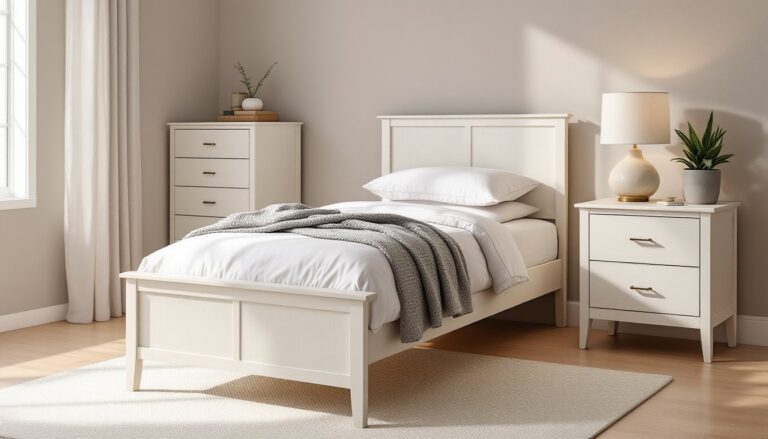
Bedrooms in apartments often pull double duty as offices, guest rooms, or dressing areas. Platform beds with built-in drawers replace both a bed frame and a dresser, reclaiming 12–18 inches of floor space. Look for models with four to six drawers for meaningful storage, anything less is cosmetic.
Wall-mounted nightstands or narrow side tables (10–12 inches wide) keep essentials within reach without crowding the bed. Floating nightstands work especially well in rooms where a traditional nightstand blocks a door swing or radiator.
Consider a Murphy bed or wall bed if the room serves as an office or living area during the day. Modern mechanisms are smoother and safer than older models, and many now include integrated desks or shelving. Installation requires locating studs (vertical framing members, typically spaced 16 inches on center) and securing the unit with lag bolts rated for the bed’s weight, usually 200+ pounds when deployed.
If a Murphy bed is overkill, a daybed with a trundle provides sleeping for two and functions as a sofa during the day. Add throw pillows along the back, and it reads as seating, not a bedroom.
Skip the bulky dresser. A tall, narrow chest of drawers (30–36 inches wide) or a clothing rack with a shelf above maximizes vertical space. Many renters find that proper furniture measurements prevent costly mistakes when selecting bedroom pieces.
Space-Saving Dining and Kitchen Furniture
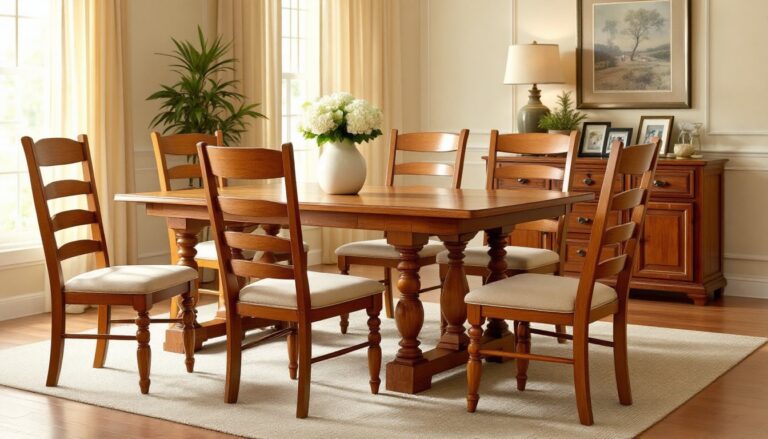
Dining areas are often the first casualty of a small floor plan. A drop-leaf table or extendable table gives you flexibility: fold it down to 24–30 inches for everyday use, then expand to seat four or six when needed.
Counter-height tables (36 inches high) paired with backless stools let you tuck seating completely underneath, opening up floor space. Stools store under kitchen islands, breakfast bars, or even under the table itself.
If your kitchen lacks counter space, a rolling kitchen cart with a butcher-block or stainless steel top adds a prep surface and storage. Choose one with locking casters so it doesn’t migrate during use. Many carts include a built-in wine rack, towel bar, or spice rack, bonus features that reduce clutter elsewhere.
Wall-mounted fold-down tables are an option for truly tight kitchens. Attach a ¾-inch plywood or solid wood top (24–36 inches wide) to the wall with heavy-duty folding brackets rated for at least 100 pounds. Locate studs for secure mounting, drywall anchors won’t hold the weight of dishes and elbows.
Renters should confirm lease terms before installing anything that penetrates walls. Many landlords allow small holes (for pictures or shelves) but prohibit larger hardware.
Storage Furniture That Doubles as Decor
Good storage furniture hides clutter without looking like a storage locker. Storage ottomans and upholstered benches with lift-up lids provide seating and a place to stash throw blankets, shoes, or board games. Place one at the foot of the bed or along a living room wall.
Ladder shelves lean against the wall (no mounting required) and display books, plants, or baskets without the bulk of a traditional bookcase. The open design keeps sight lines clear, which helps small rooms feel larger.
Cube organizers (like the Kallax system) work as room dividers, TV stands, or entryway storage. Pair them with fabric bins or wicker baskets to conceal items you don’t want on display. A 2×4 or 3×3 cube unit offers serious storage without custom cabinetry.
Bar carts aren’t just for cocktails. Use them as mobile storage for art supplies, toiletries, or office gear. The wheeled base makes them easy to relocate as your needs change, an advantage when apartment layouts shift with each lease.
Mirror-front cabinets and wardrobes add storage while reflecting light, a trick often highlighted in apartment design guides. Reflective surfaces make small spaces feel more open.
Choosing the Right Scale and Proportion
Furniture scale makes or breaks a small apartment. A piece can fit through the door and still overwhelm the room if the proportions are wrong.
Measure your space before shopping. Note doorways, ceiling height, and the room’s longest wall. Nominal measurements matter here: a sofa listed as 84 inches won’t fit if your wall measures 85 inches once you account for baseboards and outlets.
Apartment-scale or condo-scale furniture lines are designed for tighter spaces. A standard sofa runs 90–96 inches: apartment versions max out around 72–78 inches. Chairs, tables, and beds follow the same logic.
Low-profile furniture (seating under 32 inches high, tables under 30 inches) keeps ceilings from feeling closer than they are. Tall, narrow pieces draw the eye up and make use of vertical space without adding bulk at floor level.
Leave at least 18–24 inches of clearance around key furniture for comfortable movement. Tighter spaces work in a pinch, but anything under 18 inches feels cramped and makes vacuuming a headache.
Light-colored and visually lightweight pieces (exposed legs, open backs, slim arms) help rooms breathe. Dark, heavy furniture can look dramatic, but it shrinks a room fast. Test paint colors and furniture styles in your actual space before committing.
Budget-Friendly Furniture Strategies for Renters
Renters face the double challenge of limited space and limited budgets, often without the option to install permanent fixtures.
Buy secondhand strategically. Solid wood tables, chairs, and case goods (dressers, bookshelves) hold up well and clean easily. Avoid used upholstered furniture unless you can verify it’s bedbug-free, expensive mistakes happen. Estate sales, Habitat for Humanity ReStores, and local buy-nothing groups are goldmines for quality pieces.
Flat-pack furniture (IKEA, Target, Wayfair) keeps costs low and works fine for short- to medium-term use. Reinforce joints with wood glue during assembly for better longevity. Not every piece needs to last a decade: if it gets you through a lease or two, it’s done its job.
Rent or finance furniture only if you’re certain about the commitment. The total cost often exceeds buying outright, and moving with rented furniture adds logistics. Many budget renovation projects show how a few smart purchases beat a houseful of rented pieces.
Repaint or refinish secondhand finds to match your style. A coat of satin or semi-gloss latex paint transforms a tired dresser: light sanding (120–150 grit) and a coat of polyurethane revive a worn tabletop. Wear a dust mask and work in a ventilated area, paint and finish fumes are no joke.
Invest in a few anchor pieces (bed, sofa, dining table) and fill in with less expensive accents. You’ll spend more time on the sofa than the side table, so prioritize accordingly. Plenty of design inspiration focuses on mixing high and low pieces for a collected look.
Conclusion
Furnishing an apartment isn’t about making do, it’s about making deliberate choices that fit the space and the lifestyle. Multi-functional pieces, proper scale, and smart storage turn even the smallest floor plan into a functional, stylish home. Measure twice, buy once, and don’t be afraid to move things around until the layout clicks. The best apartment furniture works hard, looks good, and moves with you when the lease is up.