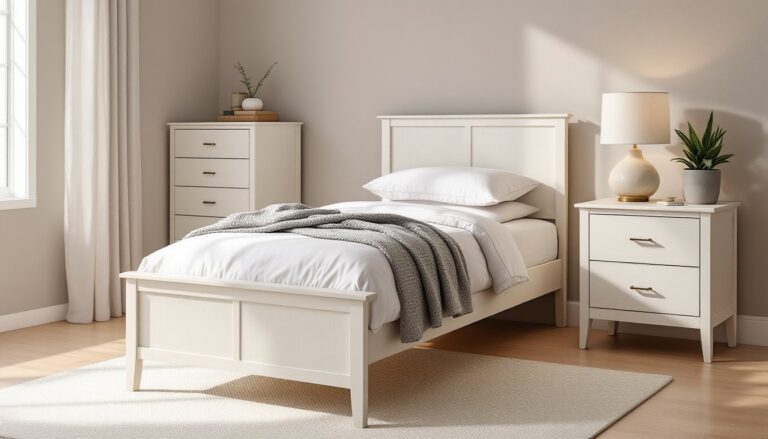
Furnishing a kid’s room, guest bedroom, or compact space with mismatched pieces is a headache most homeowners face at least once. Twin bedroom furniture sets solve that problem by bundling coordinated pieces designed to fit together, both visually and spatially. They’re especially practical for homes with limited square footage or parents setting up shared bedrooms for siblings. Whether you’re working with a 10×10 guest room or a narrow attic conversion, a well-chosen set eliminates guesswork and speeds up the furnishing process.
Table of Contents
ToggleKey Takeaways
- A twin bedroom furniture set bundles coordinated pieces that solve the challenge of furnishing small spaces by ensuring visual cohesion and proportional sizing across all items.
- Twin bedroom furniture sets cost 15–25% less than buying equivalent pieces individually while saving significant time on measurement and coordination across multiple retailers.
- Solid wood sets ($800–$2,500) offer durability for high-use rooms, while engineered wood options ($300–$900) provide budget-friendly alternatives that work best in dry climates away from moisture.
- Modern 2026 design trends favor warm neutrals like greige and taupe over stark white, with contemporary and transitional styles maximizing visual space in compact rooms.
- Before purchasing, measure usable wall space, allow 30–36 inches of clearance around beds, confirm doorway width (30–32 inches standard), and budget an extra $100–$300 for professional assembly.
- Shopping during holiday sales (Memorial Day, Labor Day, Black Friday) can deliver 20–40% savings on twin bedroom furniture sets, while inspecting pieces in-person reveals quality issues that photos miss.
What Is a Twin Bedroom Furniture Set?
A twin bedroom furniture set is a collection of coordinated furniture pieces built around a twin-size bed frame (39 inches wide by 75 inches long for standard twin mattresses). Most sets include a bed frame, nightstand, and dresser, though some manufacturers add extras like mirrors, chests, or shelving units.
The defining feature is visual cohesion, matching wood finishes, hardware, and design elements across all pieces. This consistency simplifies decorating decisions and ensures the room looks intentional rather than pieced together from clearance bins.
Sets differ from purchasing individual furniture in two key ways: proportional sizing (pieces are scaled to complement each other in smaller rooms) and coordinated manufacturing (drawer pulls, panel profiles, and finishes are produced in batches, ensuring uniformity). You won’t find slight color variations between pieces like you might when buying separate items from different production runs.
Key Benefits of Buying a Twin Bedroom Furniture Set
Time savings top the list. Instead of measuring, comparing, and coordinating separate purchases across multiple retailers, buyers make one decision. This matters when furnishing rentals, preparing for a new baby, or staging a home for sale on a tight timeline.
Cost efficiency is another practical advantage. Bundled sets typically cost 15-25% less than buying equivalent pieces individually. Manufacturers pass along savings from producing matched pieces in volume, and retailers often discount sets to move inventory faster than single items.
Space optimization becomes critical in rooms under 120 square feet. Set manufacturers design pieces with complementary footprints, a 24-inch-wide nightstand pairs with a dresser that’s proportionally sized to leave walkway clearance. This is harder to achieve when mixing brands that use different design standards.
Sets also maintain resale value better than mixed furniture. Buyers searching secondhand marketplaces pay premiums for complete, matching sets because reassembling one piece-by-piece is exactly what they’re trying to avoid.
Essential Pieces Included in Most Twin Bedroom Sets
A basic three-piece set includes:
- Twin bed frame with headboard (sometimes includes footboard and side rails)
- Nightstand (typically 18-24 inches wide with 1-2 drawers)
- Dresser (usually 48-60 inches wide with 5-6 drawers)
Four-piece sets add a mirror designed to mount above the dresser, though some substitute a chest of drawers (a taller, narrower storage piece, typically 30-36 inches wide).
Five-piece or larger sets may include:
- Matching desk or writing table
- Bookcase or shelving unit
- Storage bench or ottoman
- Additional nightstand (useful for shared bedrooms)
Not all pieces make sense for every space. A 10×12 room can’t comfortably fit a desk, dresser, and chest without blocking closet access or creating circulation problems. Measure doorways, closet clearances, and wall runs before committing to larger sets.
Some manufacturers sell expandable sets, core pieces with optional add-ons purchasable later. This works if you’re planning a phased room setup or anticipating future needs, but confirm the manufacturer maintains consistent finish formulas. Wood stains and paint colors shift between production years, and “white” from 2024 might not match “white” from 2026.
How to Choose the Right Twin Bedroom Furniture Set for Your Space
Start by measuring the room. Note:
- Total square footage (length × width)
- Usable wall space (subtract door swings, closet clearances, and window locations)
- Ceiling height (affects whether tall chests or loft-style beds work)
- Doorway width (standard interior doors are 30-32 inches: oversized furniture won’t fit through)
Allow 30-36 inches of clearance around the bed for making it and accessing nightstands. Dresser drawers need 36-40 inches of pull-out space to open fully without hitting the bed frame.
For shared bedrooms, consider sets with two twin beds. These are sold as six-piece or seven-piece sets with dual bed frames, a shared dresser, and individual nightstands. They work well in rooms at least 10×14 feet, allowing beds to sit against parallel walls with a center aisle.
Material Options and What Works Best
Solid wood (oak, maple, cherry, pine) offers durability and longevity. Expect to pay $800-$2,500 for a quality solid wood set. Pine is softer and dents more easily but costs less. Hardwoods resist wear better in high-use kids’ rooms.
Engineered wood (MDF, particleboard with veneer) keeps costs down, $300-$900 for most sets. Modern veneers mimic wood grain convincingly, but edges chip more easily and these pieces don’t handle moisture well. Avoid them in basement bedrooms or humid climates without dehumidifiers.
Metal frames with wood case goods mix industrial aesthetics with practicality. The bed frame is steel or wrought iron: storage pieces are wood. This combination suits loft-style spaces or teens wanting an edgier look.
Upholstered headboards add softness but complicate cleaning. They’re harder to wipe down than wood or metal and collect dust. If choosing upholstered pieces, look for removable, washable covers or performance fabrics treated for stain resistance.
Construction quality matters more than material type. Check:
- Drawer joinery: dovetail or mortise-and-tenon joints outlast stapled or glued corners
- Drawer glides: ball-bearing glides operate more smoothly and last longer than plastic tracks
- Back panels: furniture with ¼-inch plywood backs is sturdier than pieces with thin hardboard backing
Finishes should be low-VOC (volatile organic compounds), especially for children’s rooms. Look for GREENGUARD Gold certification, which limits chemical emissions.
Popular Design Styles for Twin Bedroom Sets
Traditional sets feature raised panel details, ornate hardware (antique brass or oil-rubbed bronze pulls), and rich wood stains (cherry, mahogany, espresso). They suit homes with classic architecture but can feel heavy in small rooms. Guest bedroom layouts often benefit from traditional styling choices that create a welcoming, put-together feel.
Contemporary/modern designs emphasize clean lines, minimal hardware (often integrated handle cutouts), and neutral finishes (white, gray, natural wood tones). These sets maximize visual space in tight quarters because they lack visual clutter. Platforms like Design Milk showcase how modern furniture uses geometric simplicity to make rooms feel larger.
Rustic or farmhouse sets use distressed finishes, X-bracing details, and mixed materials (wood with metal accents). They’re popular for cottages, lake houses, or homes with shiplap and exposed beams. Finishes are intentionally imperfect, saw marks, knots, and color variation are features, not flaws.
Mid-century modern incorporates tapered legs, walnut or teak finishes, and low-profile bed frames. The style works well in ranch-style homes or for buyers wanting retro appeal without full vintage commitment.
Transitional designs blend traditional proportions with contemporary finishes, think Shaker-style drawer fronts in matte white or gray. These sets adapt to changing decor tastes because they’re not firmly anchored to one aesthetic.
Color trends for 2026 lean toward warm neutrals (greige, taupe, soft sage) over stark white or dark espresso. Two-tone sets, white case goods with natural wood tops, remain popular for adding visual interest without pattern.
Smart Shopping Tips and Budget Considerations
Set a realistic budget before browsing. Quality twin bedroom sets range:
- Budget: $300-$600 (engineered wood, basic hardware, limited joinery)
- Mid-range: $700-$1,500 (solid wood or high-quality veneer, better construction)
- Premium: $1,600-$3,000+ (hardwood, dovetail joinery, custom finishes)
These ranges reflect 2026 pricing and vary by region and retailer markups.
Buy in-person when possible, especially for budget sets. Inspect drawer glides, check for veneer bubbling, and test bed frame stability. Furniture that looks acceptable in photos often reveals quality issues up close.
Confirm delivery logistics. Sets require freight shipping or white-glove delivery (where carriers assemble pieces). Standard shipping often means curbside drop-off, you’ll need help moving boxes and assembly tools. Budget an extra $100-$300 for professional assembly if you’re not comfortable with furniture construction.
Assembly requirements vary. Most sets arrive as flat-pack furniture requiring 2-4 hours of assembly per piece. You’ll need:
- Phillips and flathead screwdrivers (or cordless drill with driver bits)
- Rubber mallet (for tapping joints together)
- Level (ensuring dressers and bed frames sit flush)
- Second person (bed frames and dressers are easier and safer to assemble with help)
Read manufacturer instructions completely before starting. Reversing steps after partial assembly wastes time and can strip screw holes.
Check return policies carefully. Many retailers charge 15-25% restocking fees for furniture returns, and some exclude assembled pieces entirely. Measure twice, order once.
Browse inspiration galleries on platforms like Houzz to see how different sets look in real rooms rather than studio photography. User-uploaded photos show actual room proportions and lighting conditions, which helps avoid scale surprises.
Timing purchases around holiday sales (Memorial Day, Labor Day, Black Friday) can save 20-40%. Floor model clearances in January and July offer deep discounts but limited selection and potential cosmetic damage.