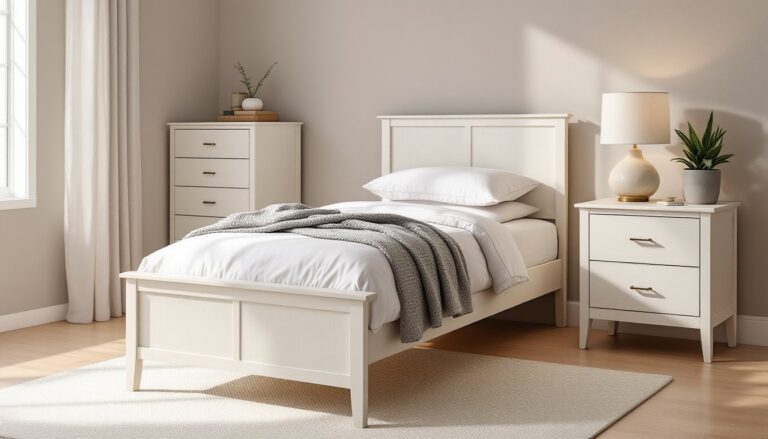
Finding bedroom furniture that actually delivers on quality, comfort, and longevity is trickier than it should be. The market’s flooded with pieces that look great in photos but fall apart after a year, or investment items that cost a fortune but don’t suit how real people use their bedrooms. The difference between furniture that rates well and furniture that performs well in your home comes down to construction, materials, and whether the design matches your daily routine. This guide cuts through the marketing noise to focus on what separates genuinely top-rated bedroom furniture from the also-rans, and how to choose pieces that’ll still look and feel solid a decade from now.
Table of Contents
ToggleKey Takeaways
- Top-rated bedroom furniture is defined by solid joinery (dovetail or mortise-and-tenon joints), durable materials like solid wood or quality plywood, and thoughtful design that handles daily use for decades.
- Platform bed frames with slats spaced no more than 3 inches apart, center support legs on queen/king sizes, and bolted corner joints outperform lightweight frames and ensure stable long-term support.
- Dressers with dovetail drawer construction, full-extension metal glides, and anti-tip anchoring hardware are essential for safety and longevity, especially in homes with children.
- Nightstands should sit level with mattress height (24–36 inches depending on bed style), include 2+ USB ports and outlets for device charging, and maintain proportions of 1/3 to 2/3 your headboard width for balanced design.
- Invest in bed frames and dressers where daily use stresses joinery; save on occasional-use pieces like benches and accent chairs, as a $1,200 dresser lasting 20 years costs less annually than replacing cheaper alternatives every five years.
- Inspect finish quality by checking for smooth, multiple thin coats without rough patches, test drawer action on metal glides for smooth extension, and verify structural stability before purchasing any top-rated bedroom furniture piece.
What Makes Bedroom Furniture Truly Top-Rated?
Top-rated bedroom furniture earns its reputation through a combination of solid construction, durable materials, and thoughtful design that holds up under daily use. It’s not just about aesthetics or a single five-star review, it’s about consistent performance across years.
Joinery matters more than finish. Dovetail or mortise-and-tenon joints outlast stapled or glued-only construction by decades. Drawer boxes should have solid wood sides (not particle board) and full-extension metal glides rated for at least 100 lbs. Check that dresser backs are recessed into grooves, not just nailed on, this prevents racking and keeps the piece square.
Material quality is non-negotiable. Solid wood (maple, oak, walnut) or high-grade plywood beats MDF or particle board for longevity, especially in humid climates where cheaper composites swell and delaminate. Veneer isn’t inherently bad, quality veneer over plywood is stable and sustainable, but avoid paper-thin photo veneers that peel.
Weight is a tell. Heft usually indicates denser materials and more substantial joinery. A nightstand that feels surprisingly heavy for its size likely has thicker panels and better bracing. Lightweight pieces might work for a guest room, but primary bedroom furniture should feel anchored.
Top-rated pieces also meet modern bedroom needs: USB-integrated nightstands, adjustable-height bed frames compatible with various mattress depths, and dressers with varied drawer depths (shallow for accessories, deep for bulky sweaters). Design publications like Elle Decor frequently highlight how functional details separate good furniture from great.
Best Bed Frames and Headboards for Every Style
The bed frame anchors the room, literally and visually, so it needs to support both your mattress and your design intent without compromise.
Platform frames with integrated slat systems eliminate the need for a box spring and provide solid, even support for memory foam or latex mattresses. Look for slats spaced no more than 3 inches apart: wider gaps cause sagging. Center support legs are essential for queen and king sizes to prevent mid-span flex.
Wood frames in walnut, oak, or acacia offer warmth and durability. Joinery at the corners should use bolts or bed rail fasteners, avoid frames held together solely by L-brackets, which loosen over time. If you’re sourcing affordable bedroom sets, inspect these connection points in-store before committing.
Upholstered frames add softness and sound dampening (helpful in apartments), but fabric choice affects longevity. Performance fabrics resist stains and wear better than linen or velvet. Tufted headboards should have buttons or ties that penetrate fully through the frame, not just glued on surface details that pop off.
Metal frames in steel or wrought iron bring industrial or traditional vibes depending on finish. Powder-coated finishes hold up better than paint. Welds should be smooth and fully penetrated, sloppy welds are a red flag for overall quality.
Adjustable bases are gaining traction for readers, TV watchers, or people with acid reflux. Ensure the frame accommodates the base’s added height and motor housing. Most adjustable bases require a platform frame without a center support bar.
Headboard height affects proportion: 48-52 inches works for standard 8-foot ceilings, while taller rooms can handle 60+ inch statement pieces. If wall-mounting, locate studs and use appropriate lag bolts, drywall anchors won’t hold long-term.
Top-Rated Dressers and Storage Solutions
Dressers take daily abuse: slammed drawers, overloading, kids climbing. Top-rated models survive this with features that cheaper units skip.
Drawer construction is the critical test. Solid wood sides (at least 1/2-inch thick), dovetail joints, and a solid wood or quality plywood bottom panel prevent sagging and splitting. Drawers should glide smoothly on ball-bearing or soft-close undermount slides, side-mount plastic tracks bind and break.
Anti-tip hardware isn’t optional, it’s life-saving, especially with kids around. The CPSC reports dozens of tip-over fatalities annually. Anchor dressers to wall studs using the included strap or an aftermarket kit rated for the furniture’s weight.
Finish durability varies wildly. Catalyzed conversion varnish or polyurethane holds up to moisture and scratches better than lacquer or oil-rubbed finishes that require regular maintenance. Test by pressing a thumbnail into an inconspicuous spot, it shouldn’t leave a mark.
Depth and drawer configuration should match what you actually store. Standard dresser depth is 18-20 inches, but deeper units (22+ inches) accommodate bulkier items like bedding or out-of-season clothes. Mix of shallow (4-5 inches), medium (8-10 inches), and deep (12+ inches) drawers beats uniform sizing.
Combo units (dresser plus mirror or hutch) maximize vertical space in small bedrooms but complicate moving. Ensure the mirror attachment is robust, two or more mounting points, not just keyhole slots.
For coordinated bedroom furniture collections, dressers often set the stylistic tone. Match wood tones carefully: even within the same species, stain lots vary. Request samples or view pieces under your home’s lighting before committing to a full set.
Nightstands That Combine Function and Style
Nightstands are workhorses disguised as accent pieces. They hold lamps, charge devices, store medications, and take nightly abuse from water glasses and dropped phones.
Height matching is ergonomic: the nightstand top should sit level with or slightly below mattress height (typically 24-28 inches for standard beds, 30-36 inches for taller platform frames). This keeps your phone, water, and alarm within easy reach without awkward stretching.
Drawer vs. open storage is a personal call. Drawers hide clutter but require clearance to open, tight bedrooms might benefit from open shelving or a single drawer over a shelf. Soft-close drawers prevent 3 a.m. slams that wake your partner.
USB ports and outlets are standard on top-rated models now. Look for units with 2+ USB ports (USB-A and USB-C mix is ideal) and at least one three-prong outlet. Built-in charging stations beat running extension cords along baseboards and create cleaner sight lines.
Proportions matter. Nightstands shouldn’t overwhelm the bed or look comically small, aim for 1/3 to 2/3 the width of your headboard on each side. A king bed with 12-inch-wide nightstands looks unbalanced: something in the 24-30 inch range reads better. According to Homedit, nightstand scale is one of the most common bedroom design missteps.
Material and finish should echo the bed frame but don’t require exact matching. Mixed materials (wood nightstand with metal bed frame, upholstered bed with wood nightstands) add visual interest, especially when exploring stylish furniture options.
Stability is critical. Nightstands tip easily because they’re tall and narrow. Check that the base is wider than the top or that the unit has a low center of gravity. Adjustable leveling feet help on uneven floors.
How to Choose Quality Bedroom Furniture That Lasts
Choosing quality means looking past the showroom styling to inspect what holds the piece together and how it’ll age.
Start with joinery. Open drawers fully and look at corners: dovetails (interlocking finger joints) are the gold standard, followed by mortise-and-tenon. Butt joints held with staples or glue alone won’t survive more than a few years of use.
Check drawer bottoms and backs. Drawer bottoms should be solid wood or quality plywood set into grooves, not stapled on. Furniture backs should be recessed into rabbets (grooves) or framed, not just nailed across the back edge, this prevents the piece from racking out of square.
Test drawer action. Pull drawers out fully. They should extend smoothly on metal glides (ball-bearing or undermount) without binding or wobbling. Soft-close mechanisms add longevity by preventing slams that loosen joinery over time.
Inspect finish quality. Run your hand across surfaces, there shouldn’t be rough patches, drips, or thin spots where raw material shows through. Quality finishes are applied in multiple thin coats, not one thick layer. Look inside drawers and on the back: unfinished interiors can off-gas and are more vulnerable to humidity.
Weigh stability. Gently push on upper corners of dressers and tall pieces, they shouldn’t rock. Wobbling indicates poor construction or insufficient bracing. Platforms like Design Milk often feature furniture reviews that assess structural integrity alongside aesthetics.
Consider wood type. Hardwoods (oak, maple, walnut, cherry) dent less and hold joinery better than softwoods (pine). Plywood isn’t inferior, high-grade plywood is dimensionally stable and strong, but avoid MDF and particle board in high-stress areas like drawer sides or bed rails.
Ask about warranties. Reputable manufacturers back their work with warranties covering defects in materials and workmanship. A 1-3 year warranty is standard: 5+ years signals confidence in construction.
Budget-Friendly vs. Investment Pieces: What to Prioritize
Not every piece needs to be an heirloom. Strategic allocation, investing where it counts, economizing where it doesn’t, builds a functional, durable bedroom without overspending.
Invest in the bed frame. You use it every night, and replacing it means dismantling the entire room. Spend here for solid joinery, quality materials, and a design that won’t feel dated in five years. Budget: $800-2,000 for a queen, more for premium hardwoods or custom sizing.
Save on nightstands (sometimes). If you’re handy, nightstands are DIY-friendly and easy to upgrade later. Budget-friendly options work if construction is sound, test drawers and check for solid wood where it matters. That said, cheap nightstands with flimsy drawer glides fail fast. Budget: $150-400 per nightstand for quality.
Invest in the dresser. Daily drawer use stresses joinery and hardware. A well-built dresser lasts 20+ years: a cheap one falls apart in five. Prioritize dovetail drawers, full-extension glides, and solid wood construction. Budget: $800-1,800 for a standard six-drawer dresser.
Save on decorative elements. Accent chairs, benches, or vanities that see light use don’t need investment-grade construction. As long as they’re stable and reasonably well-made, mid-range options suffice. Budget: $200-600 for occasional-use pieces.
Mixed sourcing works. Pairing an investment bed frame with budget nightstands or vice versa is practical, especially if sourcing from different retailers. Furniture doesn’t have to match exactly, coordinating wood tones and styles is more important than identical finishes. Consider mixing higher-end pieces with value-oriented selections to balance cost and quality.
Quality beats trends. Trendy finishes (distressed gray-wash, high-gloss lacquer) date quickly. Classic wood tones, simple lines, and neutral upholstery stay relevant and resell better if you move or redecorate.
Factor in cost per year. A $1,200 dresser lasting 20 years costs $60/year. A $400 dresser replaced every five years costs $80/year, and generates more waste. Longevity often makes investment pieces the better value.
Conclusion
Top-rated bedroom furniture earns its reputation through construction quality, durable materials, and thoughtful design, not just good marketing. Focus on joinery, test drawer operation, and prioritize investment where daily use demands it. A well-chosen bed frame, dresser, and nightstand set forms the foundation for a bedroom that functions smoothly and ages gracefully, proving that spending wisely upfront beats replacing budget pieces every few years.