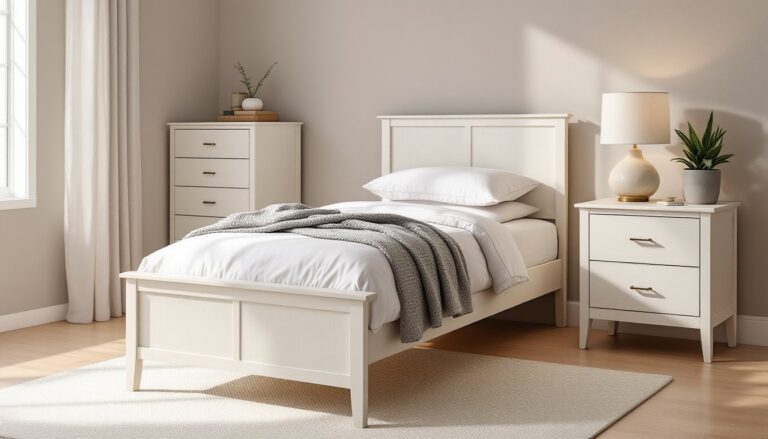
Light wood bedroom furniture has surged in popularity as homeowners gravitate toward warm, airy spaces that feel both modern and inviting. Whether you’re furnishing a new bedroom from scratch or replacing dated pieces, a light wood furniture set offers natural beauty and versatility that works with almost any design style. Unlike darker wood tones that can make a room feel heavy, light woods like oak, maple, ash, and birch create an open, breathable atmosphere, ideal for smaller bedrooms or spaces with limited natural light. This guide walks through everything you need to know about selecting, styling, and maintaining a light wood bedroom furniture set that’ll serve you well for years.
Table of Contents
ToggleKey Takeaways
- Light wood bedroom furniture sets create open, airy spaces that make rooms feel larger while working seamlessly with modern, minimalist, and Scandinavian design styles.
- Quality construction matters: look for solid hardwood frames with dovetail joinery, 1/2-inch plywood drawer boxes, and metal ball-bearing glides rated for at least 75 pounds when selecting a light wood furniture set.
- White oak, maple, ash, and birch are the most durable light wood options, each offering unique grain patterns and hardness levels that resist warping and denting better than softwoods.
- Light wood furniture requires straightforward maintenance—dust weekly, use coasters to prevent water rings, reapply wax every 3–6 months, and maintain 30–50% humidity to prevent cracking and warping.
- Mid-range solid wood bedroom sets ($2,000–$4,000) offer the best value for most homeowners, balancing quality construction and durability with reasonable investment for furniture lasting 10–15 years.
- Pair light wood furniture with mixed materials like metal hardware, glass accents, or upholstered pieces to create contemporary style, and use bold wall colors or textured textiles for visual interest without overwhelming the space.
Why Light Wood Bedroom Furniture Is Perfect for Modern Homes
Light wood furniture fits seamlessly into contemporary design trends that prioritize natural materials, minimalism, and Scandinavian-inspired aesthetics. The pale grain of woods like white oak or ash reflects light rather than absorbing it, making bedrooms feel larger and more open, a crucial advantage in urban homes where square footage is tight.
From a practical standpoint, light wood finishes are more forgiving than dark stains when it comes to showing dust, fingerprints, and minor scratches. This makes them a solid choice for busy households or guest bedrooms that don’t get daily attention. The neutral palette also provides flexibility: you can shift your color scheme, bedding, or wall paint without needing to replace major furniture pieces.
Another benefit is durability. Quality light wood furniture is typically made from hardwoods with tight grain patterns that resist warping and denting better than softwoods or engineered alternatives. Many homeowners upgrading their bedrooms find that investing in solid hardwood pays off over the long haul, especially if they’re willing to refinish pieces down the road.
Light wood also pairs well with mixed-material designs. Metal bed frames, upholstered headboards, and glass nightstands all complement light wood without clashing. This flexibility is why interior designers often recommend light wood as a foundation for bedrooms that evolve over time.
What to Look for in a Light Wood Bedroom Furniture Set
When shopping for a bedroom furniture set, start by identifying what pieces you actually need. Most sets include a bed frame, nightstands, and a dresser, but some also bundle in a chest of drawers, a mirror, or an armoire. Don’t pay for pieces you won’t use, buying items individually often makes more sense if your bedroom layout is unconventional.
Check construction quality before committing. Solid hardwood frames with dovetail joinery in drawers are the gold standard. Look for drawer boxes made from 1/2-inch or thicker plywood rather than particleboard, and ensure drawer glides are metal ball-bearing types rated for at least 75 pounds. Cheap center-mount glides fail quickly and make drawers wobble.
Pay attention to nominal versus actual dimensions. A “queen” bed frame should accommodate a standard 60 x 80-inch mattress, but verify internal dimensions if you’re using a thicker memory foam or pillow-top mattress. Nightstand height should sit within 2–4 inches of your mattress top for comfortable reach.
Veneer isn’t inherently bad, many high-quality pieces use hardwood veneer over plywood or MDF cores to reduce weight and cost while maintaining appearance. Just make sure it’s real wood veneer, not laminate or vinyl printed to look like wood. You can usually tell by examining edges and corners where veneer tape or banding is applied.
Popular Light Wood Types and Finishes
White Oak has become the go-to choice for modern light wood furniture. It features a straight, open grain with prominent medullary rays that create a subtle shimmer. White oak is harder than red oak (Janka hardness of 1360 versus 1290) and more water-resistant, making it ideal for bedroom furniture that might encounter spills or humidity.
Maple is dense, smooth, and takes stain evenly. Its fine grain gives furniture a clean, uniform look that works well in minimalist bedrooms. Hard maple clocks in at 1450 on the Janka scale, so it resists dents from dropped items or furniture rearrangement.
Ash has a grain pattern similar to oak but with lighter natural color. It’s strong, shock-resistant, and increasingly popular now that white oak prices have climbed. Ash is also easier to work with for custom builds or modifications.
Birch offers a budget-friendly alternative with a pale yellow tone and subtle grain. It’s softer than oak or maple (Janka 1260), but still durable enough for bedroom use. Birch also accepts stain well if you want to adjust the color later.
Finish options range from natural oil (which highlights grain but requires reapplication) to polyurethane or lacquer (more protective but less tactile). A matte or satin finish works best for light wood, high-gloss finishes can look dated and show imperfections more readily. If sustainability matters, look for pieces certified by the Forest Stewardship Council, which many design-focused retailers now prioritize.
How to Style Your Light Wood Bedroom Furniture Set
Light wood furniture works as a neutral foundation, so you have freedom to layer color and texture without worrying about clashing. For a Scandinavian vibe, pair it with white or gray walls, linen bedding in soft neutrals, and minimal accessories. Add warmth with a chunky knit throw or a jute area rug.
If you prefer more contrast, go bold with wall color. Deep blues, charcoal, or even black accent walls create drama without overwhelming the space, the light wood keeps things grounded. This approach works especially well in larger bedrooms with good natural light.
Metal and glass accents complement light wood without adding visual weight. Swap out standard drawer pulls for matte black or brushed brass hardware to instantly elevate the look. A frameless mirror above the dresser or geometric metal wall sconces add contemporary edge.
For a more traditional or farmhouse aesthetic, introduce weathered textures. A reclaimed wood accent wall (actual dimension boards, not peel-and-stick panels), vintage-style lighting, and cotton or linen textiles in earth tones create a lived-in feel. Those comfortable with basic carpentry can build custom nightstands or benches to match the furniture set’s proportions.
Don’t forget about scale. Oversized furniture in a small bedroom makes the space feel cramped, even if the wood is light. Measure your room and allow for at least 24 inches of clearance around the bed for easy movement. If your bedroom is under 120 square feet, consider a platform bed with built-in storage instead of adding a separate chest of drawers.
Layering rugs can define zones in larger bedrooms. A neutral base rug (like sisal or jute) topped with a smaller, patterned rug at the foot of the bed adds depth. Just make sure the combined pile height doesn’t create a tripping hazard or interfere with door clearance.
Maintenance and Care Tips for Long-Lasting Beauty
Light wood furniture requires regular but straightforward maintenance. Dust weekly with a microfiber cloth, avoid feather dusters, which just redistribute particles. For deeper cleaning, use a barely damp cloth with a drop of dish soap, then dry immediately. Never spray water or cleaners directly onto wood surfaces.
Protect finishes from heat and moisture. Use coasters under drinks, placemats under lamps, and felt pads under decorative objects. Water rings are the most common damage on bedroom furniture, and they’re easier to prevent than fix.
Reapply furniture polish or wax every 3–6 months, depending on the finish type. Oil-finished pieces need more frequent attention, use food-grade mineral oil or a dedicated furniture oil and wipe off excess after 15 minutes. Polyurethane-finished furniture requires less maintenance but benefits from occasional paste wax to maintain luster.
Address scratches promptly. For minor surface scratches on finished wood, a furniture touch-up marker in a matching shade often does the trick. Deeper gouges may require wood filler, light sanding with 220-grit sandpaper, and a dab of finish. If you’re not confident in color matching, test on an inconspicuous area first.
Control humidity levels in the bedroom to prevent cracking or warping. Wood expands and contracts with moisture changes, and extreme swings can cause joint failure or panel splits. Aim for 30–50% relative humidity year-round. A small humidifier in winter and a dehumidifier in summer can make a big difference in climates with seasonal extremes.
Reposition furniture periodically to avoid uneven fading from sunlight. UV exposure gradually lightens wood, so pieces near windows will age differently than those in shadowed corners. Rotating nightstands or swapping dresser locations every year keeps the color consistent across the set.
Budget-Friendly Options vs. Investment Pieces
Bedroom furniture pricing varies wildly based on materials, construction, and brand markup. A budget-friendly light wood set from a big-box retailer might run $800–$1,500 for a bed, two nightstands, and a dresser, but expect engineered wood cores, simpler joinery, and lighter-duty hardware. These sets work fine for guest rooms, starter homes, or short-term living situations.
Mid-range solid wood sets typically cost $2,000–$4,000 and offer better construction, dovetail drawers, hardwood frames, and more durable finishes. This is the sweet spot for most homeowners looking for furniture that’ll last 10–15 years with reasonable care.
Heirloom-quality pieces from specialty furniture makers or custom shops can exceed $5,000–$10,000 for a full set. You’re paying for premium hardwoods, hand-applied finishes, and construction techniques that allow for future repairs and refinishing. If you’re handy with tools, building your own pieces from project plans can save 40–60% versus buying retail, though you’ll invest significant time and need access to a table saw, drill press, and finishing space.
Buying used or vintage light wood furniture is another option, especially for mid-century modern or Scandinavian designs that have aged well. Inspect joints carefully, wobbly legs or loose drawer fronts indicate worn joinery that’s costly to repair. Surface refinishing is DIY-friendly if you have patience and proper ventilation: stripping old finishes requires chemical strippers or a heat gun, followed by sanding and fresh finish application. Budget at least a full weekend per piece.
If cost is tight, prioritize the bed frame and nightstands, then add storage pieces over time. Mismatched furniture works fine as long as wood tones are similar, mixing white oak and ash looks intentional, but pairing light maple with golden oak rarely does.
Financing options are common at furniture retailers, but read the terms. Deferred interest promotions can bite hard if you don’t pay off the balance before the promotional period ends. If a set is stretching your budget, it’s usually smarter to save up or buy fewer pieces upfront.
Conclusion
Light wood bedroom furniture delivers timeless appeal, durability, and design flexibility that few other materials match. By focusing on quality construction, choosing finishes that fit your lifestyle, and maintaining pieces properly, you’ll create a bedroom that feels fresh and functional for years. Whether you’re investing in heirloom-quality hardwood or starting with a budget-friendly set, the key is making informed choices that balance aesthetics, practicality, and long-term value.