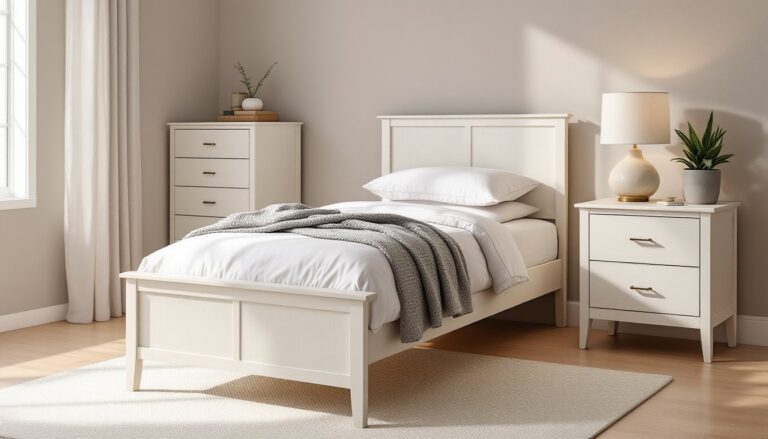
Choosing green bedroom furniture isn’t just about picking pieces in sage or olive tones, it’s about building a healthier sleep space with materials that won’t off-gas toxins or drain the planet. As formaldehyde-laced particleboard and petroleum-based finishes get more scrutiny, savvy homeowners are hunting for beds, dressers, and nightstands that deliver durability without the chemical baggage. Whether you’re renovating a master suite or furnishing a spare room, understanding what makes furniture truly sustainable, and how to style it without turning your bedroom into a hemp-scented commune, will help you make choices you’ll live with for decades.
Table of Contents
ToggleKey Takeaways
- Green bedroom furniture eliminates harmful VOCs and chemical off-gassing, creating healthier indoor air quality where you spend a third of your life sleeping.
- Solid hardwood frames with proper joinery like mortise-and-tenon construction outlast particleboard by decades, reducing landfill waste while maintaining resale value.
- Look for third-party certifications including FSC forestry labels, GREENGUARD Gold emissions limits, and CARB Phase 2 formaldehyde standards to verify truly sustainable pieces.
- Water-based polyurethanes and plant-based oil finishes release fewer VOCs than solvent lacquers and support the health benefits of choosing eco-friendly bedroom furniture.
- Inspect drawers for dovetail or box joints, verify transparent supply chain practices, and ensure warranties on structural integrity—signs of confidence in durability that justify the upfront investment.
Why Choose Green Bedroom Furniture for Your Home
Indoor air quality takes a hit when conventional furniture releases volatile organic compounds (VOCs) from adhesives, stains, and pressed-wood binders. Bedrooms, where you spend roughly a third of your life, are ground zero for exposure. GREENGUARD Gold–certified pieces meet strict chemical-emission limits, which matters if anyone in the house has asthma or allergies.
Durability is the second driver. Solid hardwood frames and joinery techniques like mortise-and-tenon or dovetail outlast particleboard by decades. You’re not hauling a disintegrating dresser to the curb every five years, which saves landfill space and your lower back. Hardwoods like oak, maple, and walnut also accept refinishing: sand them down, apply a new finish, and the piece looks new.
Certified forestry matters when you’re buying wood furniture. Look for Forest Stewardship Council (FSC) labels, which confirm the timber came from responsibly managed forests rather than illegal logging operations. Bamboo is another popular green option, it’s technically a grass, regenerates in three to five years, and machines into surprisingly strong panels and frames.
Finally, resale value holds. Well-made sustainable furniture commands higher secondhand prices than flat-pack imports. If you move or redecorate, you’ll recoup more of your initial investment through consignment or online marketplaces.
Types of Green Bedroom Furniture to Consider
Sustainable Bed Frames and Headboards
Solid-wood platform beds eliminate the need for a box spring, cutting material use and simplifying assembly. Species like rubberwood, a byproduct of latex harvesting, offer decent hardness at a lower price than domestic hardwoods. Platform slats should sit no more than 3 inches apart to support most foam and hybrid mattresses without sagging.
Metal frames made from recycled steel or aluminum are another green pick. Powder-coat finishes skip solvent-based paints, and the frames disassemble for easy moving. Just confirm the welds are clean: poor welds can crack under lateral stress when you sit on the edge.
Upholstered headboards get tricky. Seek natural latex foam over polyurethane, and organic cotton or linen fabrics instead of synthetic blends treated with flame retardants. California upholstered furniture standards now allow furniture to meet flammability tests without added chemicals, so manufacturers are slowly adopting safer fills.
Eco-Friendly Dressers and Nightstands
Case goods, dressers, chests, nightstands, show the widest gap between green and conventional builds. Solid-wood construction with dovetail or finger-joint drawers will survive decades of opening and slamming. Drawer bottoms should be real plywood (not hardboard) to handle weight without bowing.
If your budget pushes you toward engineered wood, ask for low-VOC or no-added-formaldehyde panels. The California Air Resources Board (CARB) Phase 2 standard caps formaldehyde emissions: compliant products carry a CARB sticker or mention it in product specs. Brands that go further earn GREENGUARD Gold certification.
Reclaimed wood dressers repurpose barn siding, factory beams, or old flooring. You get unique grain patterns and the satisfaction of keeping timber out of a dumpster. Expect some character marks, nail holes, checks, color variation, that may not suit every aesthetic. Confirm the builder stripped old finishes and checked for embedded metal before milling: hitting a hidden nail with a planer blade is expensive and dangerous.
Nightstand size matters in small bedrooms. A compact 18-inch-wide unit fits tight spaces, while deeper 20- to 24-inch tops give you room for a lamp, phone charger, and a water glass without crowding. Drawer glides should be ball-bearing or soft-close: cheap roller glides bind and break within a year.
How to Identify Truly Sustainable Bedroom Furniture
Third-party certifications cut through marketing spin. FSC or Sustainable Forestry Initiative (SFI) labels verify responsible timber sourcing. GREENGUARD Gold confirms low chemical emissions, critical for bedrooms. Fair Trade certifications on imported pieces signal fair wages and safer working conditions.
Ask about the finish. Water-based polyurethanes and plant-based oils (linseed, tung, hemp) release fewer VOCs than solvent lacquers. Natural oil finishes require more maintenance, you’ll reapply every few years, but they’re easier to repair and smell better during application. If a retailer can’t tell you what finish they use, that’s a red flag.
Inspect joinery if you’re shopping in person. Drawers should use dovetail or box joints, not staples or hot glue. Frame corners benefit from corner blocks or mortise-and-tenon construction. Lift a drawer out and flip it over: quality builders finish all surfaces and edges, not just the visible fronts.
Transparency about supply chains is growing. Some makers publish the mill location, wood species origin, and factory conditions on their websites. Others list every material down to the drawer pulls. When brands hide sourcing details, assume the worst.
Consider eco-friendly furniture options that disclose full material lists and offer replacement parts. A ten-year warranty on drawer glides or a lifetime guarantee on frame integrity signals confidence in durability.
Styling Your Bedroom with Green Furniture Pieces
Natural finishes, clear oils, light stains, matte lacquers, let wood grain take center stage. If you’re mixing furniture from different makers or eras, keep finishes within the same tone family (warm honey tones or cool gray-washed looks) to avoid a mismatched yard-sale vibe. Current design trends lean toward mid-century tapers and Scandinavian simplicity, both of which pair well with sustainable hardwoods.
Textile choices reinforce the green theme. Organic cotton or linen bedding, wool throws, and jute rugs bring texture without synthetics. Avoid heavy wall-to-wall carpeting in bedrooms: it traps dust and allergens. Instead, a washable area rug over hardwood or cork flooring improves air quality and simplifies cleaning.
Lighting should be layered. A bedside lamp with an Edison bulb in a ceramic or metal base complements wood furniture better than plastic task lights. If you’re installing overhead fixtures, choose LED bulbs rated for enclosed fixtures to avoid overheating. Dimmer switches let you dial down brightness before bed, which helps with sleep onset.
Color palettes don’t have to scream “eco.” Soft grays, warm taupes, and muted greens work as wall colors, letting the furniture’s natural tones anchor the room. According to recent interior design guides, deep charcoal or navy accent walls add drama without clashing with wood grain.
Keep clutter off surfaces. A minimalist nightstand with one drawer and an open shelf forces you to edit what stays bedside, which reduces visual noise. For kids’ or guest rooms, consider furniture designed for safety that meets ASTM standards for tip-over resistance and rounded edges.
Conclusion
Building a bedroom around green furniture means prioritizing materials that last, finishes that won’t poison your air, and supply chains that respect forests and workers. You’ll spend more upfront than you would on particleboard flat-packs, but the payoff, cleaner indoor air, heirloom-quality pieces, and a smaller environmental footprint, compounds over decades. Measure your space, verify certifications, and don’t skip the finish questions. Your lungs and your future self will thank you.