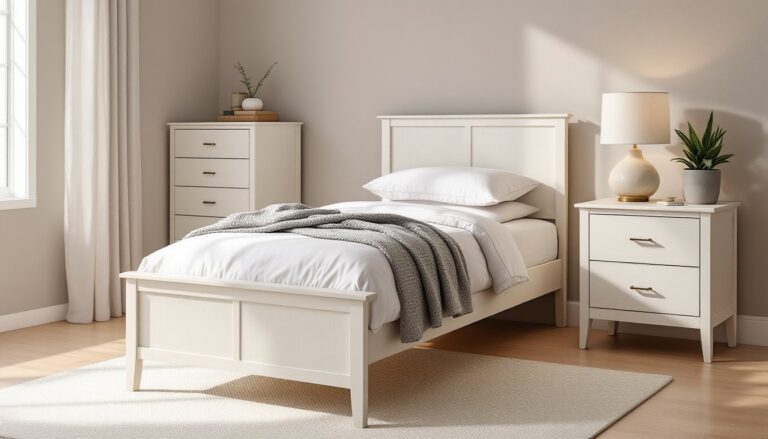
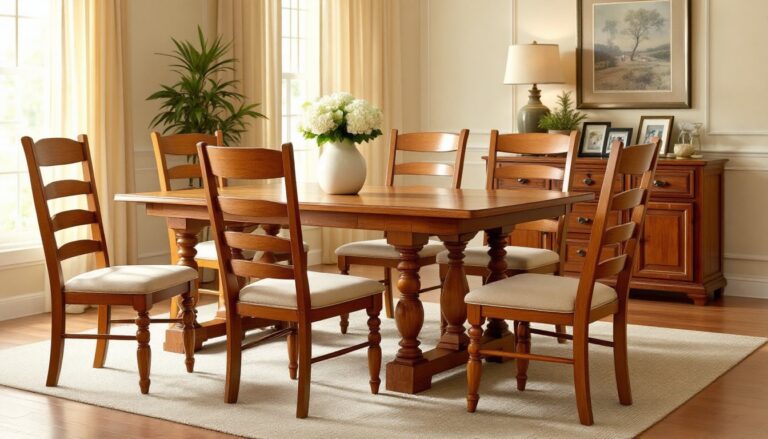
White oak has earned its place as a top-tier hardwood for bedroom furniture, and for good reason. Its striking grain patterns, legendary durability, and natural resistance to moisture make it a smart long-term investment for any bedroom. Whether someone’s furnishing a primary suite or updating a guest room, white oak delivers the rare combination of beauty and performance that outlasts trends and daily wear. Unlike softer woods that dent easily or veneers that chip, solid white oak ages gracefully, often looking better after decades of use. This guide walks through everything needed to choose, style, and maintain white oak bedroom furniture that’ll serve well for generations.
Table of Contents
ToggleKey Takeaways
- White oak bedroom furniture rates 22% harder than red oak on the Janka hardness scale and resists dents, scratches, and moisture better than softer woods, making it a durable long-term investment.
- Quarter-sawn white oak offers distinctive ray fleck grain patterns and superior stability, costing 15–30% more than plain-sawn but delivering heirloom-quality visual impact for headboards and dressers.
- Solid white oak bedroom furniture can be refinished multiple times and lasts generations, while veneer pieces offer cost savings but limited repair options if the surface layer is damaged.
- White oak pairs beautifully with cool grays, deep greens, warm creams, and charcoal accents, giving you design flexibility that works with both minimalist and traditional aesthetic styles.
- Maintain white oak by dusting weekly with microfiber cloths, applying paste wax every 6–12 months, and keeping indoor humidity between 35–55% to prevent warping and joinery stress.
- Quality white oak bedroom furniture ranges from $800–$2,500 for a queen bed and $1,200–$3,500 for a dresser, with custom pieces costing 40–60% more but offering exact dimensions and tailored finishes.
Why White Oak Is the Perfect Choice for Bedroom Furniture
White oak (Quercus alba) ranks among North America’s hardest domestic hardwoods, clocking in at 1,360 on the Janka hardness scale, roughly 22% harder than red oak. That density translates directly to furniture that resists dents, scratches, and the inevitable bumps from vacuum cleaners and luggage.
The wood’s open pore structure creates distinctive ray fleck patterns when quarter-sawn, giving each piece visual depth that flat-grain woods can’t match. Those medullary rays, cellular structures running perpendicular to the grain, catch light differently throughout the day, so a dresser or bed frame subtly changes appearance from morning to evening.
White oak contains tyloses, natural cellular deposits that block moisture penetration far better than red oak or maple. This makes it naturally resistant to warping in humid climates and less prone to water ring damage from sweating glasses or spilled drinks. It’s not waterproof, but it buys extra time to wipe up accidents before permanent damage sets in.
The wood takes stain exceptionally well due to its porous nature, accepting everything from light natural oils to deep espresso finishes with even color distribution. Clear finishes showcase the natural honey-to-tan base color, which warms slightly with age and light exposure, a desirable patina that adds character rather than looking worn.
From a sustainability standpoint, white oak grows abundantly across the eastern United States and regenerates relatively quickly for a hardwood. Responsibly sourced white oak from certified forests represents a renewable choice compared to exotic imports with questionable supply chains.
Popular White Oak Bedroom Furniture Pieces and Styles
White oak adapts to virtually every design aesthetic, from clean-lined Scandinavian minimalism to ornate traditional joinery. The wood’s neutral tone and versatile grain work equally well in modern platform beds with simple slab construction or Victorian-inspired pieces with turned legs and carved details.
Mid-century modern designs lean heavily on white oak, often finished with natural oils or light stains that emphasize the wood’s horizontal grain. Expect tapered legs, low-profile dressers, and integrated drawer pulls routed directly into drawer fronts.
Contemporary farmhouse styles pair white oak’s warmth with simpler construction, think plank headboards, X-brace bed frames, and mixed-material designs combining oak with metal hardware. Many farmhouse-style storage beds use oak for their structural durability and rustic appeal.
Shaker and craftsman aesthetics showcase white oak’s workability through exposed joinery, dovetails, mortise-and-tenon, and peg construction become design features rather than hidden elements. The wood’s stability makes it ideal for frame-and-panel construction that won’t gap or split over time.
Scandinavian designs favor white oak’s lighter natural color, typically treated with white oil or soap finishes that maintain the pale blonde tone. The focus stays on clean geometry and functional hardware rather than decorative embellishment.
Essential Furniture Items for a Complete White Oak Bedroom
A functional bedroom suite typically includes these core pieces:
- Bed frame (platform, sleigh, or four-poster, sizes range from twin to California king)
- Nightstands (matching or complementary, typically 24″–30″ tall to align with mattress height)
- Dresser (six-drawer horizontal or tall chest-on-chest configurations)
- Optional pieces: wardrobe/armoire, bench or storage trunk, vanity table, mirror frame
Platform beds eliminate the need for box springs, with slat spacing no wider than 3 inches to prevent mattress sagging, check manufacturer specs if building or buying. Drawer boxes in quality pieces use dovetail or dado joinery rather than stapled particleboard: solid oak drawer boxes last indefinitely with proper runners.
How to Choose the Right White Oak Bedroom Furniture for Your Space
Start with accurate room measurements, length, width, and ceiling height, plus door swing clearances and existing obstacles like radiators or windows. Most bedroom furniture needs minimum clearances:
- 36 inches between bed and walls for comfortable movement
- 3 feet in front of dressers to open drawers fully
- 24 inches between furniture pieces for walkways
Bed sizing follows standard dimensions, but actual frame dimensions add 2″–6″ depending on design. A queen mattress measures 60″ × 80″, but the frame might span 65″ × 85″ once headboard and footboard thickness factor in.
Solid wood vs. veneer: Solid white oak costs more but lasts generations and can be refinished multiple times. Veneer over engineered cores (plywood or MDF) reduces cost and weight while still offering real oak surfaces, but damage penetrating the thin veneer layer can’t be easily repaired. Check edge banding on veneered pieces, solid wood edges indicate quality construction.
Construction quality markers to inspect:
- Drawer boxes with 1/2-inch to 3/4-inch solid wood sides (not thin plywood)
- Full-extension undermount drawer glides rated for 75+ lbs
- Backs secured with dadoes or rabbets, not just nails
- Adjustable leveling feet on case goods
- Dust panels between drawers (separates drawer cavities)
Quarter-sawn oak costs 15–30% more than plain-sawn but offers superior stability and those prized ray fleck patterns. It’s worth the premium for heirloom-quality headboards and dresser fronts where the visual impact matters most.
If buying from popular furniture retailers, ask specifically about wood species and construction methods, marketing photos don’t always make clear whether pieces use solid wood, veneer, or laminate components. Request finish samples if choosing stained pieces: white oak’s undertones interact differently with various stain colors than other species.
Caring for and Maintaining Your White Oak Bedroom Furniture
Daily maintenance requires almost no effort. Dust with a dry microfiber cloth weekly to prevent buildup in grain pores. For deeper cleaning, use a barely damp (not wet) cloth followed immediately by drying, standing water can still damage finishes even on moisture-resistant oak.
Polyurethane and lacquer finishes tolerate more abuse and need only occasional conditioning. Clean with mild soap solution (few drops dish soap in warm water), wipe dry, and apply paste wax or furniture polish every 6–12 months for added protection and sheen.
Oil finishes (Danish oil, tung oil, linseed oil) penetrate the wood rather than creating a surface film. They require reapplication every 3–6 months depending on use, apply thin coats with a lint-free cloth, let penetrate 15 minutes, wipe excess. Oil-finished oak develops richer patina over time but offers less protection against water rings.
Scratches and dents: Minor surface scratches often disappear with paste wax buffing. Deeper gouges in solid oak can be sanded and refinished, start with 220-grit and work through progressively finer grits to 400 before reapplying finish. This is one major advantage over veneer, which can’t be sanded through.
Sunlight management: White oak darkens gradually with UV exposure, developing warmer amber tones. Rotate decor items occasionally to prevent permanent shadow lines where lamps or picture frames sit. Use window treatments to minimize direct sunlight during peak hours if maintaining original color matters.
Climate control: White oak handles seasonal humidity swings better than most woods, but extreme conditions still cause issues. Maintain indoor relative humidity between 35–55% year-round. Use humidifiers in dry winter months and dehumidifiers during humid summers to prevent expansion/contraction cycles that stress joinery.
Avoid placing furniture directly against exterior walls in uninsulated rooms, over heating vents, or under air conditioning returns, temperature extremes accelerate finish deterioration.
Styling Tips: Designing a Cohesive Bedroom with White Oak Furniture
White oak’s warm neutral tone anchors both bold and subdued color schemes. Its natural versatility means it won’t clash with future decor changes, a practical consideration for long-term furniture investments.
Color pairings that complement white oak’s honey-tan base:
- Cool grays and blues create calming contrast without competing warmth
- Deep greens (sage, forest, olive) echo the wood’s natural origins
- Warm whites and creams soften the space without going sterile
- Charcoal and black add modern edge to traditional wood tones
Many interior design resources showcase white oak in both maximalist and minimalist contexts, the wood genuinely works with diverse aesthetics.
For a cohesive look, match wood tones across furniture pieces or intentionally contrast them. Mixing white oak bedroom furniture with walnut or cherry accents creates visual interest, but keep undertones consistent, don’t pair warm-toned oak with cool gray-toned woods.
Hardware selection dramatically affects style:
- Brushed brass or antique bronze: traditional, farmhouse
- Matte black or gunmetal: contemporary, industrial
- Brushed nickel or chrome: transitional, modern
- Leather pulls: Scandinavian, minimalist
Bedding and textiles: Linen, cotton, and wool textures complement oak’s organic nature better than synthetic materials. Layer neutral base bedding with textured throws and accent pillows that pick up room colors. Avoid perfectly matched bedroom sets, mixing patterns and textures in similar color families looks more intentional than catalog-perfect coordination.
Lighting matters significantly with white oak. The wood’s grain patterns become more prominent with warm (2700K–3000K) LED lighting, while cooler temperatures (4000K+) emphasize its lighter tones. Position accent lighting to graze across wood surfaces at angles that highlight grain depth.
Many country-style design guides feature white oak prominently in bedroom layouts that balance rustic warmth with contemporary livability.
Where to Buy Quality White Oak Bedroom Furniture
Local furniture makers and custom shops offer the highest quality and customization but command premium pricing, typically 40–60% more than retail chains. The advantage: exact dimensions, wood selection, joinery methods, and finish tailored to specifications. Request samples of their joinery and finish quality before committing.
Established furniture retailers carry white oak collections across price ranges. Inspect construction details in person when possible, open drawers, check backs and bottoms, test joints for rigidity. Ask about wood sources and whether components use solid oak throughout or combine solid and engineered materials.
Online specialty retailers often sell direct-from-manufacturer to reduce costs while maintaining quality. Read detailed product descriptions for construction specifics. Check return policies carefully, freight shipping for bedroom furniture runs $200–$500, and returns may not be free.
Estate sales and secondhand markets occasionally yield vintage white oak pieces at fraction of retail costs. Older furniture often uses thicker stock and better joinery than modern mass production. Look for solid construction even if finish needs refreshing, white oak refinishes beautifully.
Pricing expectations (as of 2026, varies by region and retailer):
- Queen platform bed: $800–$2,500
- Six-drawer dresser: $1,200–$3,500
- Nightstand pair: $400–$1,200
- Complete bedroom suite: $3,500–$8,000+
Solid white oak costs more than oak veneer, which costs more than oak-look laminate. If budget limits options, prioritize solid wood for visible surfaces (dresser fronts, headboard) and accept veneer for sides and tops where cost savings matter more.
Delivery and assembly: White oak furniture weighs considerably more than particleboard alternatives. A solid oak dresser easily exceeds 150 lbs. Factor professional delivery costs and whether pieces fit through doorways and up stairs, measure twice, especially for large bed frames and wardrobes. Some pieces ship flat-pack requiring assembly: others arrive fully constructed.