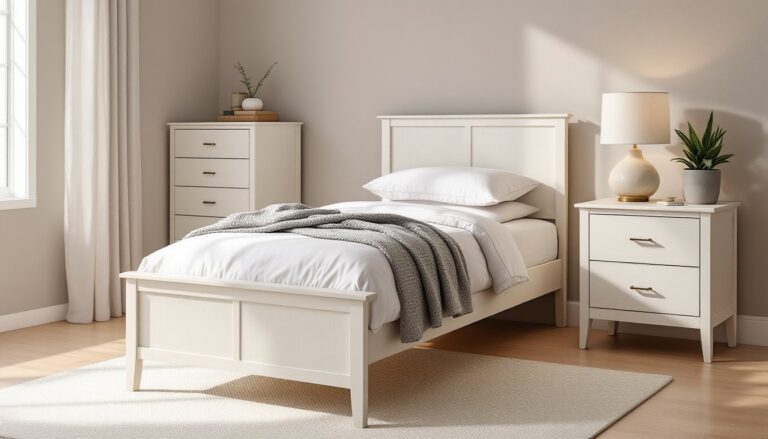
Small bedrooms are the reality for many adults, whether in an urban apartment, starter home, or post-downsize condo. The challenge isn’t just fitting furniture into tight quarters, it’s creating a functional, comfortable retreat that doesn’t feel like a college dorm or storage closet. The right furniture choices make the difference between a cramped box and a well-organized sanctuary. This guide covers the essential pieces, smart layout strategies, and multi-functional solutions that help adults maximize every square foot without sacrificing style or comfort.
Table of Contents
ToggleKey Takeaways
- Small bedroom furniture for adults must prioritize scale and proportion, with pieces sized for rooms under 120 square feet and frames that support at least 500 pounds for safe, long-term comfort.
- Platform beds with built-in storage, wall beds (Murphy beds), and low-profile frames maximize floor space while maintaining functionality—reclaiming up to 30 square feet during waking hours.
- Vertical storage solutions like tall dressers, wardrobes, and wall-mounted shelves preserve floor space while providing adequate room for adult belongings without creating clutter.
- Multi-functional furniture such as storage ottomans, fold-down desks, and convertible daybeds eliminate redundancy and allow small bedrooms to serve multiple roles—from sleeping to working to hosting guests.
- Cohesive material palettes, furniture with visible legs or raised profiles, and light to mid-tone finishes on large pieces create visual openness and prevent small bedrooms from feeling cramped or chaotic.
- Investing in quality construction—dovetail joints, solid wood frames, and durable fabrics—ensures small bedroom furniture withstands adult use better than budget alternatives filled with particleboard or weak drawer glides.
Why Small Bedroom Furniture Matters for Adult Spaces
Adult bedrooms serve multiple roles: sleep space, dressing area, reading nook, and sometimes home office. In rooms under 120 square feet, standard-sized furniture quickly overwhelms the space and limits movement.
Scale and proportion drive the visual experience. A king bed in a 10×10 room leaves barely enough clearance to open drawers or walk around the frame. Building codes typically require 36 inches of clear walkway space for egress, but comfort demands at least 24 inches on the sides where you’ll be getting in and out daily.
Adult-specific furniture differs from kid or teen pieces in weight capacity, material quality, and aesthetic maturity. A lofted bed might work for a 12-year-old, but most adults need something sturdier with a weight rating of at least 500 pounds for the frame and mattress combined. Drawer glides should be full-extension ball-bearing types rated for 75+ pounds, not the stamped-metal slides found in budget youth furniture.
Smaller furniture also improves air circulation and natural light penetration. When pieces are proportional to the room, windows stay unobstructed and HVAC vents remain accessible, practical concerns that affect sleep quality and energy costs.
Essential Furniture Pieces for Small Adult Bedrooms
Space-Saving Beds and Frames
The bed consumes 30–40% of floor space, so choosing the right size and style matters. A full/double bed (54×75 inches) offers a middle ground for single adults or couples willing to cozy up, while a queen (60×80 inches) remains the most popular adult size. Skip the king unless the room exceeds 12×12 feet.
Platform beds with built-in storage eliminate the need for a separate box spring and add drawer space underneath. Look for models with drawers on both sides or a hydraulic lift mechanism that raises the entire mattress platform for access to a 10–14 inch storage cavity. These lifts use gas struts similar to hatchback door supports and typically handle mattresses up to 100 pounds.
Wall beds (Murphy beds) fold vertically into a cabinet when not in use, reclaiming 25–30 square feet during waking hours. Modern versions use piston lift systems and include integrated shelving or a fold-down desk. Installation requires attaching the cabinet to wall studs with lag bolts: drywall anchors won’t support the 200–400 pound loaded weight. If the wall is load-bearing or contains plumbing, consult a contractor before cutting into framing.
Low-profile frames without bulky headboards or footboards create visual openness. A simple steel or wood frame standing 8–12 inches high keeps sightlines clear and makes the room feel less crowded.
Compact Storage Solutions
Without adequate storage, clothing and personal items pile up on chairs and floors. Small bedrooms need vertical storage to preserve floor space.
Wardrobes and armoires work where closets are shallow or nonexistent. A unit 36 inches wide and 72 inches tall holds as much as a standard reach-in closet. Look for designs with adjustable shelves, a hanging rod, and interior door organizers. Solid wood or plywood construction handles weight better than particleboard: check that shelves are rated for at least 50 pounds.
Tall dressers (5–6 drawers) have a smaller footprint than wide, low styles. A chest 30 inches wide, 18 inches deep, and 54 inches high offers comparable storage to a 60-inch-wide dresser but uses half the wall space. Avoid tipping hazards: anchor tall furniture to studs using the included anti-tip strap or L-brackets. The Consumer Product Safety Commission recommends anchoring any furniture taller than 30 inches in homes with children, but it’s smart practice in earthquake zones regardless.
Nightstands with shelves or drawers keep essentials within reach without cluttering the floor. Models 18–24 inches wide fit beside most beds. Consider wall-mounted floating shelves as an alternative: they take zero floor space and can be installed at any height using heavy-duty brackets anchored into studs.
Maintaining proper furniture measurements ensures pieces fit through doorways and leave adequate clearance around the bed.
Smart Layout Strategies to Make Your Small Bedroom Feel Larger
Furniture placement affects both function and perception. Start by measuring the room and noting window and door swing paths, outlet locations, and any architectural quirks like radiators or sloped ceilings.
Place the bed first, since it’s the largest piece. Positioning the headboard against the longest wall typically works best, but corner placement can free up a full wall for storage. Avoid blocking windows or HVAC registers: restricted airflow creates temperature imbalances and moisture problems.
Maintain clear pathways of at least 24 inches around the bed and 36 inches from the door to the far wall. This meets basic accessibility standards and prevents the layout from feeling maze-like.
Use vertical space aggressively. Install shelves 12–18 inches below the ceiling for out-of-season clothing or luggage. Wall-mounted reading lights and floating nightstands eliminate the need for floor-based furniture. Hooks and pegboards on the back of the door hold robes, bags, or jewelry organizers.
Mirrors double perceived space by reflecting light and creating depth. A full-length mirror on a closet door or a large framed mirror opposite a window maximizes this effect. Skip mirrored furniture, though, it’s harder to maintain and can feel dated.
Keep furniture away from walls by a few inches if possible. It sounds counterintuitive, but floating pieces slightly away from the perimeter tricks the eye into seeing more space. The same principle makes rooms with crown molding or a contrasting ceiling color feel larger.
Multi-Functional Furniture Ideas for Maximum Efficiency
When square footage is limited, furniture that serves two or three purposes eliminates redundancy. Many creative furniture hacks show how adaptable pieces can transform a cramped bedroom into a flexible space.
Storage ottomans and benches placed at the foot of the bed provide seating, a place to pull on shoes, and hidden storage for blankets or off-season clothes. Choose upholstered models with lift-top lids and corner-braced frames for durability.
Fold-down desks attach to the wall and swing up when not needed. A 24×18 inch surface is enough for a laptop and notebook. Pair it with a fold-flat chair or wall-mounted stool. Install the desk 29–30 inches above the floor (standard desk height) and anchor the hinges into studs using 3-inch wood screws.
Bedside tables with charging stations combine traditional nightstand functions with built-in USB ports and outlets. This eliminates the tangle of extension cords and phone chargers. Some models include wireless charging pads built into the top surface.
Convertible seating like futons or daybeds adds guest-sleeping capability without a dedicated guest room. Modern futons use memory foam or pocket coil mattresses that match standalone mattress comfort. Daybeds with trundles slide a second twin mattress underneath the primary frame: the trundle rolls out on casters and raises on a pop-up mechanism to match the height of the main bed.
Modular shelving systems adapt as needs change. Units built from stackable cubes or adjustable track-and-bracket shelves rearrange without tools. This flexibility matters in rentals or if the room’s function shifts over time.
Style Tips for Choosing Adult-Appropriate Small Bedroom Furniture
Small spaces amplify style missteps, so furniture choices need intentionality. Adult bedrooms should reflect maturity without feeling sterile or hotel-like.
Stick to a cohesive material palette: wood tones, metal finishes, and upholstery colors should relate to each other. Three complementary tones, like walnut wood, matte black metal, and warm gray fabric, create visual continuity. Mixing too many finishes (brass, chrome, copper, brushed nickel) makes a small room feel chaotic.
Opt for furniture with legs or a raised profile rather than pieces that sit flush on the floor. Visible floor space underneath creates airiness. Sofas, chairs, and dressers elevated on 4–6 inch legs let light pass beneath and simplify cleaning. Solid platform or box-style furniture makes rooms feel heavier.
Choose light to mid-tone finishes on large pieces. Darker wood or painted furniture absorbs light, while lighter finishes reflect it. This doesn’t mean everything must be white, natural oak, light walnut, or gray-washed finishes work well. Reserve darker colors for accent pieces or smaller items.
Design enthusiasts frequently turn to resources like Homedit for examples of furniture that balances style and space efficiency in compact bedrooms.
Upholstered pieces should use durable, cleanable fabrics. Performance fabrics with stain resistance (often labeled with a double-rub count above 30,000) handle daily use better than delicate linens or velvets. Adults juggling coffee, late-night snacks, or pets need practical textiles.
Avoid bulky ornamentation: tufted headboards, oversized finials, and heavily carved details overpower small rooms. Clean lines and simple hardware read as more sophisticated and won’t date as quickly.
Invest in quality over quantity. Three well-made pieces outlast and outperform five cheap ones. Dovetail drawer joints, solid wood frames, and metal drawer glides indicate better construction. Particleboard with veneer fails quickly under the weight and wear of adult use. If budget is tight, buy fewer pieces initially and add later rather than filling the room with disposable furniture.
Incorporating ideas from small space specialists helps refine choices that suit adult lifestyles without unnecessary clutter.