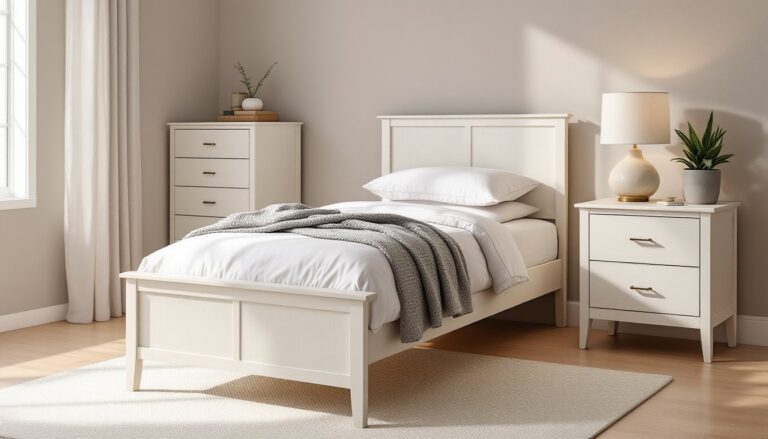
Japanese bedroom furniture brings a quiet sophistication to any home, rooted in centuries-old design principles that prioritize simplicity, natural materials, and functional beauty. Unlike Western bedroom sets that often dominate a room, Japanese pieces embrace restraint, clean lines, and low profiles that make small spaces feel larger and cluttered rooms feel calm. Whether renovating a master bedroom or refreshing a guest room, this style offers practical benefits beyond aesthetics: easier cleaning, better air circulation, and furniture that ages gracefully without looking dated.
Table of Contents
ToggleKey Takeaways
- Japanese bedroom furniture prioritizes simplicity, natural materials, and low profiles to make spaces feel larger and calmer while offering practical benefits like easier cleaning and better air circulation.
- Platform beds are the foundation of Japanese bedroom design, typically sitting 6–12 inches off the floor with solid hardwood frames and mortise-and-tenon joinery that allows for disassembly and repair.
- Key Japanese furniture pieces include shoji screens for light diffusion and privacy, tansu storage chests with dovetailed drawers, and low tables that pair well with floor cushions for multifunctional bedroom spaces.
- Budget ranges from $300–$600 for particle board reproductions to $2,000–$5,000 for authentic imported pieces; prioritize one quality furniture piece and build out gradually rather than buying complete sets.
- Styling a Japanese-inspired bedroom requires ruthless decluttering, neutral textiles in natural fibers, soft layered lighting, and minimal wall art to maintain the calm, intentional aesthetic.
- Consider your room’s ceiling height, floor type, and mattress compatibility before selecting Japanese bedroom furniture, as low sightlines work best in rooms with 8-foot ceilings or higher.
What Makes Japanese Bedroom Furniture Unique?
Japanese furniture design follows the wabi-sabi philosophy, finding beauty in imperfection and impermanence. This translates to pieces built from solid woods like cedar, cypress, and paulownia that show natural grain patterns, knots, and slight color variations. Unlike lacquered Western furniture, many Japanese pieces use oil finishes that let wood breathe and develop a patina over time.
Low height is the most recognizable feature. Traditional Japanese rooms use tatami mat flooring, so furniture sits close to the ground to maintain proper proportions. Even in homes without tatami, platform beds typically sit 6–12 inches off the floor compared to standard Western beds at 18–24 inches. This lower sightline makes ceilings appear higher and rooms feel more open.
Joinery techniques set Japanese furniture apart structurally. Craftsmen use mortise-and-tenon joints, dovetails, and wood pegs instead of screws or nails. While modern reproductions may use hardware for assembly, quality pieces still incorporate these methods for durability. Furniture built this way can be disassembled, moved easily, and repaired without replacing entire sections.
The color palette stays neutral, natural wood tones, black accents, whites, and soft grays. Decorative carvings and ornate hardware are absent. Function drives every design choice, which is why Japanese furniture often includes hidden storage compartments, sliding panels, and multi-purpose elements that reduce the need for additional pieces.
Essential Pieces of Japanese Bedroom Furniture
Building a Japanese-inspired bedroom doesn’t require sourcing everything from overseas. Several key pieces establish the style, and many are available through specialty retailers or can be DIY projects for intermediate woodworkers.
Platform Beds and Tatami Mats
Platform beds are the foundation of Japanese bedroom design. These frames use a solid or slatted base that supports a mattress directly, no box spring needed. Traditional Japanese beds (futon on tatami mats) sit directly on the floor, but platform beds offer a compromise for those who prefer Western mattresses while maintaining the low-profile aesthetic.
When selecting a platform bed, look for frames made from solid hardwood rather than particle board or MDF. Walnut, oak, and maple are common Western alternatives to traditional Japanese woods. The frame should sit no higher than 12 inches from floor to mattress top. Some designs incorporate storage drawers underneath, which works well in smaller bedrooms but strays slightly from minimalist principles, choose based on your actual storage needs.
Tatami mats are woven rush grass panels backed with rice straw or modern foam core. Standard mats measure roughly 3 feet by 6 feet and 2 inches thick. In traditional Japanese rooms, they cover the entire floor and dictate room dimensions (rooms are measured by how many mats fit). For a Western bedroom, using tatami as area rugs or placing them directly under the bed creates the aesthetic without full-floor installation. Real tatami requires maintenance, annual flipping, occasional replacement of the rush surface, and protection from moisture, so many opt for tatami-style rugs made from synthetic rush or woven paper that require less upkeep.
Shoji Screens and Storage Solutions
Shoji screens are wooden-framed panels filled with translucent paper (washi) or fabric. They function as room dividers, closet doors, or window coverings. The grid pattern, typically using cedar or cypress frames with mullions spaced 4–6 inches apart, diffuses light beautifully while maintaining privacy. Modern shoji often use frosted acrylic or fiberglass instead of paper for durability, especially in high-traffic areas or homes with pets.
Installing shoji as sliding closet doors is a practical DIY project for intermediate woodworkers. Standard bypass door hardware works, though traditional shoji track systems use wooden runners and are quieter. If building custom screens, the frame joints should be mortise-and-tenon or half-lap for stability. Paper application requires wheat paste and careful smoothing to avoid bubbles, consider practicing on a small test frame first.
Tansu chests are traditional Japanese storage cabinets built in modular sections. Originally designed to be easily moved during fires or relocations, they stack vertically and feature multiple small drawers with decorative iron hardware. Antique tansu can be pricey, but reproductions and tansu-inspired dressers offer similar functionality. Look for pieces with dovetailed drawers and solid wood construction rather than veneer over plywood. Many contemporary versions, like those featured in modern minimalist bedroom designs, balance traditional craftsmanship with updated finishes.
Kotatsu tables traditionally serve as heated dining tables but can double as low bedside tables or reading desks in a bedroom. These low tables (usually 12–16 inches high) pair well with floor cushions (zabuton) for a sitting area within the bedroom. Without the heating element, they’re simply low tables, easy to build from plans if you have basic woodworking skills and a table saw.
How to Choose the Right Japanese Furniture for Your Bedroom
Start by measuring the room and mapping out furniture placement before buying anything. Japanese design emphasizes empty space as much as furnishings, so resist the urge to fill every wall. A typical Japanese bedroom might include only a platform bed, one storage piece, and a small side table, far less than the average Western bedroom.
Ceiling height matters. Low furniture works best in rooms with 8-foot ceilings or higher. In rooms with lower ceilings (common in basements or older homes), the low sightline can feel cramped rather than serene. Test the proportions by temporarily placing boxes or cushions at the proposed furniture height and sitting at that level before committing to purchases.
Match wood tones across pieces, but don’t stress over perfect uniformity. Japanese design appreciates natural variation, so mixing light cypress with medium walnut can work if the undertones coordinate (both warm or both cool). Avoid combining rustic distressed finishes with sleek modern pieces, that contrast reads as eclectic rather than intentionally Japanese.
Consider floor type when choosing furniture weight and leg design. Hardwood floors and tile can handle heavy platform beds with solid bases. Carpet (not traditional in Japanese homes but common in Western bedrooms) works better with slatted bases that allow airflow and prevent moisture buildup. If keeping carpet, at least place a low-pile rug under the bed rather than thick plush that fights the low profile.
Budget realistically. Authentic Japanese furniture imported from craftsmen can cost $2,000–$5,000 for a platform bed alone. Domestic reproductions range from $600–$1,500 for similar quality. Big-box “Japanese-inspired” furniture often uses particle board and veneer for $300–$600, which works as a starting point but won’t develop the same patina or last as long. For tight budgets, prioritize one quality piece (like the bed frame) and build out with simpler additions over time.
Factor in mattress compatibility. Traditional futons are thin cotton batting that folds up daily. Western mattresses require more support. Platform beds need either a solid base (plywood or close-slat spacing) for memory foam or wider-spaced slats (3 inches apart maximum) for innerspring mattresses that need airflow. Verify the bed frame’s weight capacity, quality platforms handle 500–800 pounds: cheaper models max out at 300–400 pounds.
Styling Tips for a Japanese-Inspired Bedroom
Declutter ruthlessly. Japanese design follows the principle that every item should have a purpose and a designated place. Store off-season clothing elsewhere, limit decorative objects to one or two meaningful pieces, and keep surfaces clear. Built-in closets with sliding doors maintain the clean lines better than freestanding wardrobes.
Layer neutral textiles. Choose bedding in natural fibers, cotton, linen, or hemp in white, cream, gray, or soft indigo. Avoid busy patterns: if using prints, stick to subtle stripes or geometric patterns inspired by traditional Japanese textiles. A simple duvet cover over a comforter looks cleaner than stacked decorative pillows and throws.
Lighting sets the mood. Replace overhead fixtures with softer options: rice paper lanterns (chochin), floor lamps with fabric shades, or wall-mounted sconces. Warm LED bulbs (2700K–3000K) mimic candlelight better than bright white bulbs. Dimmer switches add flexibility for reading versus relaxing.
Bring nature indoors with intentionality, as often seen in contemporary interior design approaches. A single bonsai tree, a vase with minimally arranged branches (ikebana style), or a small tabletop rock garden provides the natural element without crowding the space. Real plants require care, if maintenance isn’t realistic, a quality wooden bowl filled with river stones offers a similar grounding effect without upkeep.
Wall treatments should be minimal. Paint walls in neutral tones or install shoji-style panels as accent walls. If hanging art, choose one large piece or a small grouping rather than gallery walls. Traditional Japanese art features calligraphy, ink paintings, or woodblock prints, but any artwork with clean lines and a simple subject works.
Flooring transitions matter. If installing tatami or tatami-style rugs, use a subtle border or threshold to define the space. Wood floors can be left bare or accented with a low-pile jute or sisal rug. Avoid thick area rugs that create tripping hazards at the low furniture height. Resources like modern flooring guides can help identify complementary materials and textures.
Window treatments should diffuse light, not block it entirely. Shoji screens work as sliding panels over windows. Alternatively, use roller shades in natural fabrics (linen, bamboo) or simple Roman shades in neutral tones. Skip heavy drapes and valances, they add visual weight that conflicts with the minimalist aesthetic.
Conclusion
Japanese bedroom furniture rewards patience and thoughtful selection. Start with one or two core pieces, live with the space, and add gradually. The style’s durability, both physical and aesthetic, means choices made today won’t feel dated in five years. Focus on quality materials, honest construction, and pieces that serve daily needs without excess. The result is a bedroom that feels intentional, calming, and genuinely easier to maintain.